The Charger Buying Guide: Wattage, Ports & Compatibility
Choosing the best charger is critical for preserving your devices’ functionality and ensuring proper charging. With so many alternatives available, it might be tough to select the ideal one for your requirements. Wattage, port types, device compatibility, and other features are all important considerations when picking the perfect option. In this tutorial, we’ll go over the major factors to consider when purchasing a charger, including what works best for your devices, how to match charger specs to your needs, and what features to look for to optimize your overall charging experience.

What Wattage Do You Really Need?
Common Wattage Options Explained
Charger wattage varies depending on the device’s power requirements. For phones and tablets, common alternatives include 18W, 30W, 45W, and 65W, although laptops may require chargers with 100W or greater outputs. An 18W charger is appropriate for smartphones that use regular charging; however, a 30W charger is preferable for phones or tablets that require quick charging. Laptops and other high-power devices require chargers with a 45W or greater rating. Understanding these possibilities allows you to acquire the appropriate charger for your device’s needs without spending on superfluous power. For optimal efficiency, confirm that the charger supports your device’s specific charging standard.
Matching Charger Power to Your Devices
Selecting the correct charger wattage is critical for ensuring that your device charges effectively and safely. A charger with insufficient power will slow down the charging process, whilst an excessive wattage may result in overheating. Smartphone chargers typically range from 18W to 30W, although tablets and laptops may demand 45W or more. Always verify the device’s specs for appropriate charging power, since over- or under-powering can have an impact on battery health and charging performance in the long run. Knowing your device’s specifications can help you choose a charger with the appropriate power output for rapid, safe charging.
Which Ports Should You Choose for Daily Use?
USB-C vs. USB-A: Key Differences
USB-C and USB-A are two of the most popular kinds of charging ports. USB-C is the contemporary standard, providing higher charging and data transmission rates, as well as reversible connections that reduce the aggravation of inserting cords incorrectly. USB-A, on the other hand, is an older standard that is still found in many older devices. While USB-A is still suitable for most devices, USB-C is gradually becoming the preferred option, particularly for newer smartphones, laptops, and tablets, due to its adaptability, quicker charging capability, and rising compatibility across multiple brands and devices.
Multi-Port Chargers for Travel or Work
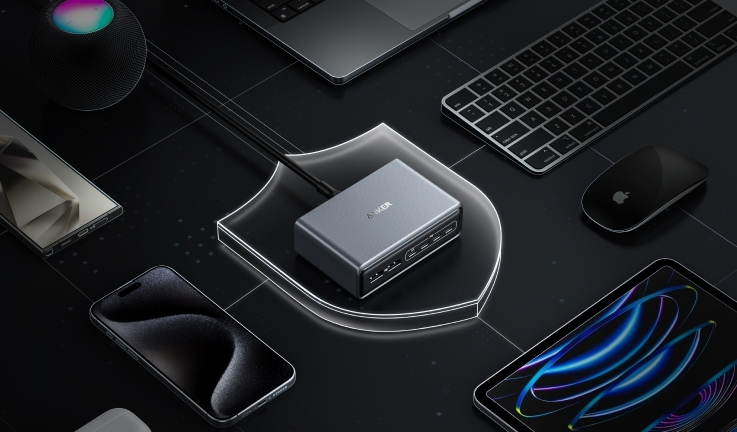
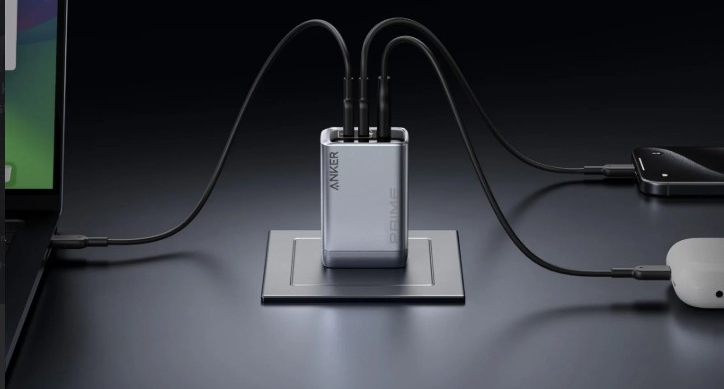
Multi-port chargers are ideal for individuals who need to charge many devices at once, whether at home, work, or on the move. These chargers often include two or more USB-C and USB-A connections, allowing users to charge smartphones, tablets, laptops, and other devices simultaneously. Multi-port chargers are especially handy for travelers looking to reduce the number of chargers they carry. They are compact, efficient, and handy, giving a simplified solution for charging all of your gadgets without the need for many different adapters or outlets, making them excellent for busy lives.
How Port Output Affects Charging Speed
The charging speed is directly proportional to a charger port’s output power. USB-C connections, particularly those that offer Power Delivery (PD), can give significantly greater power output, resulting in quicker charging periods. USB-A ports usually provide less power, ranging from 5W to 18W, resulting in slower charging speeds. When selecting a charger, examine if your device is compatible with the charging port’s output. USB-C PD connections are useful for devices with large power requirements, such as laptops or tablets, but USB-A ports are acceptable for charging smaller devices, such as phones. Choosing the appropriate charger output ensures that charging rates and efficiency are optimized.
What Extra Features Make a Charger Worth Buying?
GaN vs. Traditional Silicon Chargers
Gallium Nitride (GaN) chargers are a newer and more efficient alternative to classic silicon-based chargers. GaN technology enables quicker charging, improved efficiency, and smaller charger sizes while maintaining power. GaN chargers produce less heat, which helps to increase their energy efficiency and safety. Traditional silicon chargers, while readily accessible, are larger and less efficient, particularly at higher power levels. GaN chargers are an excellent alternative for charging contemporary gadgets while being tiny and portable.
Foldable Plugs, Travel-Friendly Sizes & Build Quality
Travel-friendly chargers are convenient and portable, making them excellent for regular travelers. Chargers with folding plugs may be stored compactly while preventing harm when packed. A lightweight, compact design keeps the charger from taking up too much room in your backpack. Another crucial consideration is build quality; search for chargers built of high-quality materials that can survive the wear and tear of everyday usage or travel. Strong construction paired with portability ensures your charger remains functional for years, while a small form factor ensures easy storage and usability when you’re constantly on the move.
Smart Power Distribution & Heat Control
Smart power distribution and advanced heat control systems are elements that distinguish current chargers. Smart chargers automatically adapt the power output to match the device being charged, reducing overcharging and enhancing battery health. This function guarantees that the charger delivers the appropriate amount of power to your device, based on its charging requirements. Heat regulation is also important—chargers with built-in heat dissipation systems avoid overheating, protecting both the charger and the device. These sophisticated features not only extend the life of your charger and gadgets but also guarantee that they charge safely and efficiently.
Conclusion
Selecting an appropriate charger requires careful consideration of factors, including amperage, port varieties, and supplementary features, to effectively satisfy your device’s charging requirements. Selecting chargers with the correct amperage ensures more efficient and secure charging, while comprehending port distinctions aids in confirming compatibility with your devices. Additional features such as GaN technology, foldable outlets, and intelligent power distribution enhance usability, portability, and performance. By keeping these considerations in mind, you can confidently choose a charger that optimizes your charging experience, extends the lifespan of your devices, and offers the convenience required for your daily activities.